
Mallory McMorrow’s past remarks about rural America resurfaced at a sensitive moment in her Senate campaign, drawing renewed scrutiny just as the race tightens.
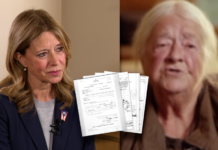
During a CNN appearance, McMorrow addressed the controversy directly, acknowledging that her earlier social media posts—now deleted—were not her most carefully phrased.
Still, she did not retreat from the underlying sentiment. She said her experiences living in different parts of the country shaped her view that understanding between groups needs to go both ways, rather than placing the burden solely on so-called coastal elites.
The comments in question date back to the aftermath of the 2016 election. At the time, McMorrow amplified a thread arguing that white working-class Americans, particularly in rural areas, should make more of an effort to engage with people outside their immediate surroundings. She added her own perspective, writing that rural communities can be insular and that fear of unfamiliar people played a role in political divisions.
That framing has since become a point of criticism, especially among opponents who argue it paints broad sections of the country with a dismissive brush. McMorrow’s attempt to contextualize the remarks on CNN did little to quiet that criticism, as she maintained that the core idea still holds, even if the wording could have been more measured.
The interview extended beyond those past tweets. McMorrow also drew a controversial comparison between the current political climate and authoritarian patterns, saying she sees “shades” of such tendencies in the Trump administration. She framed those concerns around political division and the use of rhetoric that pits groups against one another.
Those statements arrive as McMorrow competes in a closely contested Democratic primary to replace retiring Sen. Gary Peters. Polling shows a narrow margin separating the leading candidates, with Abdul El-Sayed slightly ahead and McMorrow and Haley Stevens close behind.
The tight spread underscores how even past comments can take on renewed weight in a competitive race where small shifts in perception may matter.
On the Republican side, Mike Rogers is positioned as the likely nominee, bringing name recognition from a previous statewide race that ended in a narrow loss. With both parties preparing for a competitive general election, the primary phase has already begun to surface contrasts—not only in policy positions, but in tone, messaging, and how candidates explain their past words under present scrutiny.