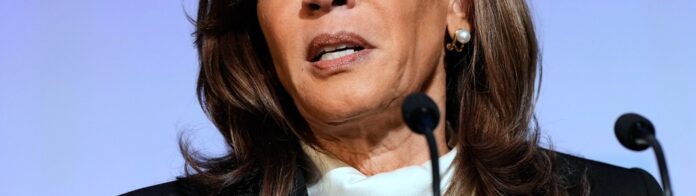
Kamala Harris’ forthcoming book is supposed to be a campaign reset, the kind of memoir that reframes her image and stakes a claim to leadership. Instead, it reads more like a political self-sabotage manual.
The headline revelation is stunning in its bluntness: Harris admits she passed over Pete Buttigieg as her running mate not because of policy disagreements or competence, but because, in her words, it would be “too big of a risk” for America to accept a ticket with a Black woman and a gay man.
“Buttigieg would have been an ideal partner—if I were a straight white man,” Harris writes in 107 Days. “But we were already asking a lot of America… Part of me wanted to say, Screw it, let’s just do it. But knowing what was at stake, it was too big of a risk.”
In one stroke, Harris manages to confess to political cowardice, undercut her own “values,” and insult the voters she claims to understand. She’s essentially saying: I thought Pete was the best choice, but I didn’t trust the American people to handle it. That’s not leadership—it’s hedging.
It also puts Harris in direct contradiction with her party’s constant rhetoric about inclusion. Democrats spend years lecturing Americans that sexual orientation, race, and gender must never be barriers in public life.
Yet when it came time for Harris to make her defining decision, she rejected Buttigieg because he’s gay. That’s not only cynical—it’s discriminatory. The very thing her party claims to oppose.
And then there’s the collateral damage. By framing Buttigieg as her “first choice,” Harris reduces Tim Walz—the man she did pick—to a consolation prize. The governor who was supposed to “connect with men” looks more like a prop drafted because the preferred candidate was deemed too risky. Imagine being Walz reading that passage: you weren’t Plan A, you weren’t even chosen for merit, you were simply the “safer bet.”
This entire episode reinforces the central weakness of Harris’ political persona: she is guided less by conviction than by calculation. She didn’t think Buttigieg could win. She didn’t think she could handle Biden’s team. She didn’t think voters could accept the ticket she actually wanted. Over and over, Harris portrays herself as boxed in, limited by forces she claims are outside her control.
But that’s not what people look for in a president. A leader owns their choices. They persuade others to follow them. They take risks for what they believe is right. Harris is admitting she wouldn’t—and didn’t.