
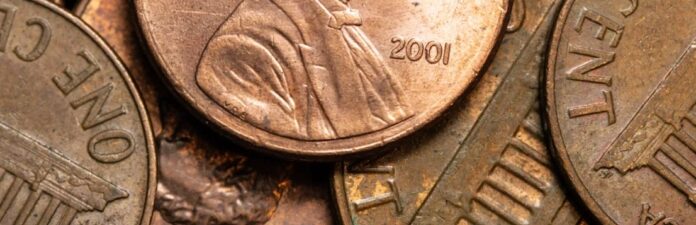
After more than two centuries jingling in pockets, rolling through vending machines, and piling up in coffee cans and couch cushions, the penny has officially been retired. On Wednesday, the U.S. Mint struck its final one-cent coin at its historic Philadelphia facility, bringing an end to a 232-year chapter in American currency.
The decision to stop producing the penny wasn’t sentimental — it was practical. According to the Mint, it now costs 3.69 cents to manufacture a single penny, a figure that has more than doubled over the last ten years. In a country that produces billions of coins annually, the math simply stopped making sense. The U.S. government expects to save approximately $50 million per year by halting production.
The final penny was ceremonially struck by United States Treasurer Brandon Beach. Acting Mint Director Kristie McNally emphasized the coin’s symbolic importance, even as its economic usefulness faded. “The penny’s legacy lives on,” she said in the Mint’s official release. “As its usage in commerce continues to evolve, its significance in America’s story will endure.”
The penny, introduced in 1793 following the Coinage Act of 1792, was America’s first official currency. Over the centuries, it became as much a piece of Americana as it was a unit of exchange. Its designs changed with the times: beginning with the Flowing Hair Liberty and culminating in the enduring image of President Abraham Lincoln, who first appeared on the penny in 1909 to commemorate his 100th birthday.
Lincoln’s likeness has remained ever since, making the penny not just a coin but a tiny historical monument — the first U.S. coin to feature a president, and the last of its kind to be minted.
This policy change didn’t come without a presidential push. Back in February, President Trump issued a directive to end penny production, citing its mounting cost. “For far too long, the United States has minted pennies which literally cost us more than two cents,” he posted on Truth Social. “This is so wasteful!”
Even so, the penny isn’t vanishing from cash drawers or car cup holders overnight. With an estimated 300 billion pennies still in circulation, the Mint assures consumers that the coin remains legal tender and can still be used in transactions. Stores may still list prices down to the cent, and consumers can still use existing pennies — for now, anyway.
Over its long life, the penny has seen its materials shift from pure copper to a copper-zinc blend, and even briefly to zinc-coated steel during World War II when copper was redirected for wartime production. In 2017, the Philadelphia Mint added a “P” mark to the coin for the first time to celebrate its 225th anniversary.
So as the last penny is tucked away in a display case, the nation says farewell not just to a coin, but to a tiny piece of its economic and cultural identity — a symbol of thrift, value, and history. From now on, if someone offers you a penny for your thoughts, they may be giving you a collector’s item.