
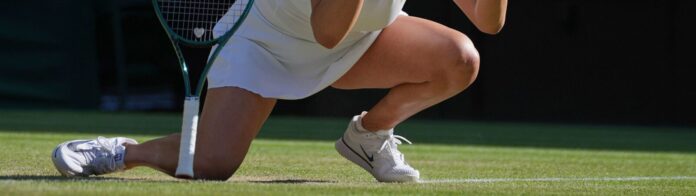
The post-match press conference at the Australian Open is usually a routine affair, a brief space where athletes reflect on form, fitness, and the next round. This week, however, American tennis player Amanda Anisimova’s appearance after her second-round win drew attention for a different reason. Rather than focusing on her performance, a line of questioning steered toward American politics and an invitation—implicit or otherwise—for criticism of her home country while she stood on foreign soil.
Amanda Anisimova was asked if what’s been happening in the U.S. over the last year complicates her feelings of playing under the American flag
“I’ve been asking a lot of the American players how it feels to play under the American flag right now. I’m curious how you feel..”… pic.twitter.com/hFMYBT05SE
— The Tennis Letter (@TheTennisLetter) January 22, 2026
The exchange followed a familiar pattern. After offering a quick congratulation, a reporter pressed Anisimova to comment on the state of the United States, with particular emphasis on the Trump administration. The questions drifted well beyond tennis, and notably beyond anything connected to the tournament or her match. Anisimova’s response was brief, calm, and decisive. She declined to engage, stating simply that she did not believe the topic was relevant.
That answer effectively ended the matter. There was no confrontation, no speech, and no attempt to leverage the moment into a broader statement. The contrast between the persistence of the question and the restraint of the response is what made the moment resonate. In an era where athletes are frequently encouraged—or expected—to deliver political commentary, Anisimova chose to keep the focus on her profession.
Popular opinion: Let’s ask tennis questions to the players at a tennis tournament. This is so lame. https://t.co/OOXykn8C7p
— John Isner (@JohnIsner) January 22, 2026
What followed added another layer. The reporter later acknowledged that similar questions had been posed to multiple American players at the tournament, suggesting a deliberate editorial approach rather than a spontaneous inquiry. That revelation sharpened criticism from observers who argue that sports journalism risks drifting into activism when it prioritizes political narratives over athletic achievement, particularly in settings where athletes have little incentive or preparation to engage in such debates.
Bro this Owen Lewis guy (canadian) from @TheAthletic asking every single American player about American politics and Donald Trump should be fired
Look how uncomfortable @Taylor_Fritz97 is
Surely Australian Open can get better “journalists” than this POS pic.twitter.com/Oo7USwHDsg
— TENNISCentel (@TennisCentel) January 22, 2026
The incident also highlighted differing approaches within the same press room. At the conclusion of the conference, another reporter offered Anisimova a straightforward “well played,” a reminder of the purpose these interactions are meant to serve. The contrast underscored the tension between covering sport as sport and using sporting platforms to pursue unrelated commentary.
Do the right thing @TheAthletic and fire this reporter immediately. He’s a biased hack. PROUD TO BE AMERICAN 🇺🇸 and I hope it makes your skin crawl. Ridiculously offensive lazy and downright stupid reporting. Surely you can find smarter, more dignified employees than this. https://t.co/oiohNz9PRi
— Sean Reilly (@ReillyEagles) January 22, 2026
Anisimova, currently ranked fourth in the world, entered the Australian Open with growing expectations after reaching major finals last season. Her handling of the press conference reflected the same composure she displayed on court: focused, disciplined, and unwilling to be drawn off task. As she advances through the draw, attention will return, as it should, to her tennis.