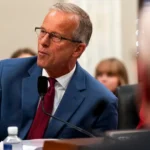

Republicans in Congress are set to choose new leaders just days after a major election loss. The House and Senate GOP conferences will hold internal votes starting Tuesday morning. Current Speaker Mike Johnson has said he will not seek the top minority role. Senate Majority Leader John Thune is running to keep his position as the party moves to the minority.
Not everyone agrees with holding these elections so soon. Sen. Ron Johnson of Wisconsin wants to delay the vote to let members reflect on the results. He told Scripps News, “I’m not going to participate in an election that’s held that early.” Several other senators, including Jim Banks and Dave McCormick, have backed his call for a pause.
Despite the push for delay, the leadership elections appear ready to move forward. The Senate GOP plans to meet Tuesday morning to discuss the election results before voting. Senate Majority Leader John Thune acknowledged the pain of the loss to reporters on Monday. He said, “It was a tough election for us. And I think we need to internalize the message that the voters are sending and rebuild and get ready to get out there and do things better.”
Thune also noted that the party lost many strong candidates in the recent vote. “We lost a lot of good Republicans,” he added. He warned that recovery will not happen overnight. “It’ll take a while to build that back,” Thune stated. The New York Post reports that the Senate conference is set to reflect on the “electoral shellacking” before proceeding with the leadership race.
🚨 Sen. Ron Johnson (R-WI) tells me @scrippsnews if Senate GOP hold their Leadership Elections tomorrow (even if they’ve had a robust aftermath discussion before voting) he will “leave the room.”
SEN. JOHNSON: “I’m not going to participate in an election that’s held that early.” https://t.co/KtDUtFmGmt
— Nathaniel Reed (@ReedReports) November 9, 2026
In the House, the race for Minority Leader is already underway. Steve Scalise and Jim Jordan are the two main contenders for the top spot. This is a rematch from three years ago when both men tried to become Speaker. Scalise highlights his long experience in leadership roles. Jordan positions himself as a fighter who can stand up to Democrats.
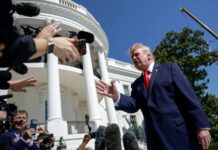
President Trump weighed in on the Senate situation without picking a side. He called Thune a “very fine man” during a White House press briefing. When asked about the leadership vote, Trump said, “I wish they could get more produced.” He added, “But John’s a good man. I guess they’re going to be voting tomorrow. Or maybe it’s delayed. I don’t know what the status is, but, you know, he’s a friend of mine.”
The math for the House vote is clear. If Republicans hold 175 seats, the Minority Leader needs 88 votes to win. The selection happens within the Republican conference, not the full House. Per Fox News, all incoming Republicans, including non-voting delegates, are allowed to vote. The winner only needs a simple majority of those present.
Democrats are also holding their own leadership elections soon. Rep. Hakeem Jeffries is expected to secure the nomination for House Minority Leader. Some progressive Democrats want a different leader, but no one has stepped forward to challenge him. The full House will vote for the Speaker on January 3. Jeffries needs 218 votes to become Speaker if the Democrats win the majority.
The focus now shifts to how the GOP handles this transition. Sen. Ron Johnson’s request for a delay has found support but may not change the schedule. The New York Post notes that the conference appears poised to barrel ahead with the elections regardless of the recent losses.