A $300,000 airport restroom project in Texas is getting pulled into a much larger argument over religion, immigration and just how far public accommodations should go.
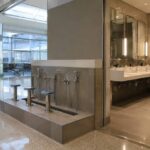
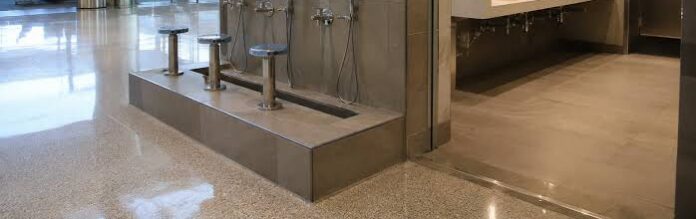
The project is at Dallas Fort Worth International Airport, where state records describe plans for two wudu washing stations in Terminal D — one associated with the men’s restroom and another with the women’s restroom.
Wudu, for anybody wondering why an airport needs specialized washing facilities, is the Islamic ritual of ablution performed before prayer. It involves washing parts of the body, including the face, hands and feet.
And here’s the detail that’s going to matter in this debate: According to the Texas Department of Licensing and Regulation project filing, the estimated $300,000 project is privately funded.
So, right away, this is more complicated than “Texas taxpayers are building Islamic facilities at the airport.”
They’re apparently not, according to the cited filing.
NEW: ‘Muslim City’ in Texas gets legal win after a judge ordered that the state must comply with developers.
The East Plano Islamic Community (EPIC), which has now been rebranded to The Meadow, will feature 1,000 homes, a mosque, schools, and more.
Texas leaders are worried… pic.twitter.com/HoSvNeV307
— Collin Rugg (@CollinRugg) April 30, 2026
Specialized religious accommodations at major airports aren’t unprecedented, either. Fox News noted that Chicago O’Hare has interfaith facilities, while prayer and religious accommodations can be found at other transportation hubs serving enormous international passenger populations.
Still, the DFW proposal arrives amid a much broader political fight in Texas concerning the state’s growing Muslim population and the relationship between religious freedom and civil law.
Different sources cited in the debate give substantially different mosque counts for Texas. POI Data reports 122, while The Halal Times puts the figure at 224 and estimates the state’s Muslim population at more than 300,000.
Those discrepancies are a pretty good reminder not to turn rough demographic numbers into sweeping conclusions.
Then there’s EPIC City.
The proposed development associated with the East Plano Islamic Center has drawn political scrutiny over concerns involving religious discrimination and whether Islamic principles could influence how the community operates. Republican Sen. John Cornyn was among those who raised concerns.
But there was also a significant development in June: The Justice Department concluded its investigation into the project, according to CBS News Texas.
Now, stay with me, because this is where several very different questions keep getting bundled together.
Can a private Islamic community establish religious rules for voluntary religious participation? Generally, yes, within the same constitutional framework that protects churches, synagogues and other religious organizations.
Can it establish a competing government with legal authority overriding Texas or federal law?
No.
American civil and criminal law remains controlling. A religious organization doesn’t acquire governmental sovereignty because its members follow religious teachings, whether those teachings come from Islamic jurisprudence, Catholic canon law, Orthodox Jewish law or anything else.
And a foot-washing station at an airport doesn’t change that.
That doesn’t mean Texans are forbidden from asking questions about the project. They can ask who is paying the $300,000, who authorized construction, whether similar accommodations are available to other religions, how airport space is allocated and whether the facilities serve a practical sanitation purpose by keeping passengers from washing their feet in ordinary sinks.
Those are concrete questions with concrete answers.