Ohio lawmakers have finally pulled the trigger on a massive payment package designed to settle a costly dispute with nursing homes after the state’s highest court ruled that providers had been shortchanged for years.
The legislation, approved Wednesday and now headed to Gov. Mike DeWine’s desk, sets aside an eye-popping $875 million to resolve a battle over Medicaid reimbursements that has been brewing since the 2024-25 budget cycle. The size of the payment alone tells you just how significant this dispute became. What started as a disagreement over formulas and calculations eventually turned into a court fight with nearly a billion dollars hanging in the balance.
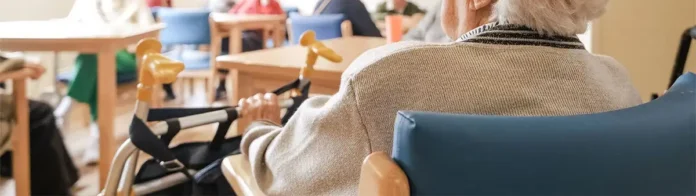
For nursing home operators, the issue was straightforward. They argued that Ohio’s reimbursement system failed to properly account for the medical complexity of many residents living in skilled nursing facilities. In practical terms, providers claimed they were caring for some of the sickest and most resource-intensive patients in the system while receiving less money than they should have.
Last September, the Ohio Supreme Court agreed.
The court ruled that state officials had used the wrong methodology when calculating certain Medicaid quality payments and ordered Ohio to go back and determine what providers were actually owed. That decision opened the door to a financial reckoning that lawmakers could no longer ignore.
“This is the most egregious thing we could have done to individuals that help our elderly live a quality, comfortable life,” state Rep. Jean Schmidt said during debate over the package. “And today we are correcting that wrong.”
The final solution comes with a hefty price tag. The package includes roughly $310 million from Ohio taxpayers and another $565 million in federal funding. Together, that brings the total settlement to $875 million.
What makes the story even more remarkable is that the amount lawmakers approved exceeds the original underpayments identified by the court. As the case worked its way through the legal system, state officials warned that recalculating the payments according to the court’s interpretation could cost an additional $285 million per year beyond what lawmakers had originally budgeted.
Had the dispute continued across multiple budget cycles, the total cost could have approached $1 billion.
Ohio’s Medicaid system pays nursing homes a daily rate for residents covered by the program. Facilities can also receive additional payments tied to quality measures and performance benchmarks. The disagreement centered on how those supplemental payments were calculated and whether the state adequately considered the needs of residents requiring more intensive care.
Although lawmakers eventually revised the formula going forward, they still had to address payments connected to earlier years.
The legislation includes one important condition: providers accepting the money must agree to waive future legal claims related to the disputed formula. In other words, take the settlement and move on.
The nursing home industry is urging DeWine to do exactly that.
Scott D. Wiley, president and CEO of the Ohio Health Care Association, called the funding essential for providers and the families they serve.
“These funds are critically important to Ohio’s providers and the families they serve, and we urge Governor Mike DeWine to sign HB 479 into law without delay,” Wiley said.
After years of litigation, court rulings, and budget battles, Ohio now appears ready to close the books on one of the largest Medicaid reimbursement disputes in state history. The only remaining question is how quickly the governor signs the measure and gets the money flowing to facilities that have spent years waiting for it.