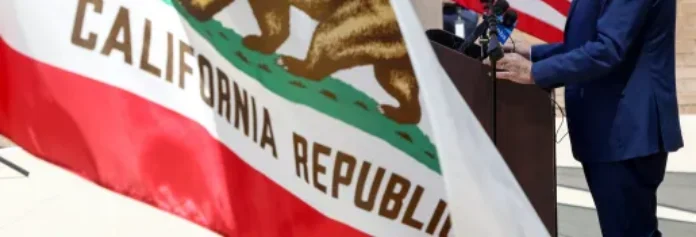
In a move that signals growing tension between local and state authority, the city of El Cajon, California, has launched a legal challenge against the state’s sanctuary laws. Positioned near the Mexican border, the city’s leadership argues that California’s restrictions on cooperation with federal immigration enforcement have crossed into dangerous legal territory.
Mayor Bill Wells, a Republican, described the filing as a defining moment, underscoring the weight local officials are placing on the case. The lawsuit follows a city council vote authorizing litigation and targets policies that limit how local law enforcement can interact with federal immigration authorities.
At the center of the dispute is California’s longstanding sanctuary framework, which has already survived prior court challenges, including a 2020 decision that left the law intact.
This new complaint, however, introduces a different legal angle. It argues that state policies offering benefits to undocumented immigrants—such as driver’s licenses and workplace protections—may conflict with federal statutes that prohibit encouraging or inducing unauthorized immigration. The filing claims that by adhering to state law, local officials could be placed in a legally precarious position under federal rules.
The lawsuit was filed in San Diego Superior Court by the America First Policy Institute, a group with ties to former Trump administration officials.
Its argument centers not just on policy disagreement, but on what it frames as a direct conflict of law. According to the complaint, local police are effectively forced to choose between compliance with California statutes and potential exposure to federal liability.
City leaders point to specific incidents to illustrate their concerns. One example involves a request from the Department of Homeland Security for local assistance in conducting welfare checks on unaccompanied minors.
That request was blocked by the state attorney general’s office, citing sanctuary law limitations. For El Cajon officials, the episode became a concrete example of what they see as restrictions that interfere with basic public safety functions.
State Attorney General Rob Bonta has dismissed the lawsuit outright, characterizing it as legally unfounded and reiterating that California law allows for the prosecution of criminal activity regardless of immigration status. He has also emphasized that the state is prepared to defend its policies, noting that similar challenges have failed in the past.