
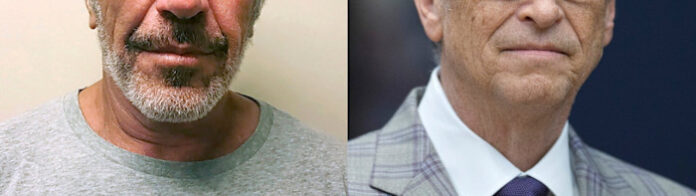
The latest tranche of documents released in the Epstein files underscores, once again, why any material connected to the disgraced financier must be read with both seriousness and caution.
Among the newly disclosed records is a 2013 email Jeffrey Epstein wrote to himself containing explosive claims about Microsoft co-founder Bill Gates—claims Gates flatly denies as “completely false.” The document does not establish truth. What it does establish is the kind of leverage-focused, manipulative narrative Epstein appeared to traffic in when powerful people were involved.
The email, drafted in what appears to be the voice of Gates’ longtime adviser Boris Nikolic but never sent beyond Epstein himself, alleges that Gates sought help covering up an STD Epstein claimed resulted from “sex with Russian girls.”
According to Epstein’s account, Gates allegedly asked for antibiotics not only for himself but also to secretly administer to his then-wife, Melinda Gates, rather than disclose the situation. The email also claims Gates requested deletion of messages referencing the alleged STD, the antibiotics, and other personal details.
Context matters. The document reads less like correspondence and more like notes—possibly a draft Epstein intended to use as pressure, leverage, or narrative framing. Epstein had a well-documented pattern of inserting himself into the personal and professional affairs of wealthy individuals, often exaggerating, distorting, or fabricating information to increase his own influence. That pattern alone complicates any attempt to treat the contents as straightforward factual reporting.
Wow. In the Epstein emails DOJ dropped, Jeffrey sent himself emails memorializing a fight he had with Bill Gates. In it he says that Bill Gates got STD’s from Russian hookers, and then asked Jeffrey for antibiotics that Bill could secretly give to Melinda without her noticing. 😳 pic.twitter.com/XNA0vNWTcI
— Robby Starbuck (@robbystarbuck) January 30, 2026
A second email from July 2013, also sent by Epstein to himself, continues in a similar vein. In it, Epstein writes of Nikolic’s alleged desire to resign from his roles at the Gates Foundation and Gates Ventures, citing involvement in conduct described as morally inappropriate, ethically unsound, or potentially illegal.
The claims range from helping procure drugs to facilitating illicit affairs. Again, these are Epstein’s words, written privately, with no confirmation they were ever communicated to Gates or anyone else.
Further muddying the waters is a 2017 email in which Epstein reportedly threatened to expose an alleged affair involving Gates and a Russian bridge player after Gates declined to participate in a charitable fund Epstein was promoting. That detail reinforces a recurring theme: Epstein leveraging accusations, real or imagined, when he felt shut out or sidelined.
Gates’ response was swift and unequivocal. Through a spokesperson, he dismissed the claims as absurd and defamatory, arguing that the emails demonstrate Epstein’s frustration at failing to maintain a relationship with him and his willingness to invent or weaponize allegations in response. There is no evidence in the released documents that the emails were ever sent to Gates, acted upon, or substantiated.