
A federal healthcare fraud case out of Minnesota has taken an unusual turn, with prosecutors saying artificial intelligence wasn’t used to commit the fraud itself—but to help conceal it once questions started being asked.
Four Twin Cities men have pleaded guilty to participating in a scheme that defrauded Minnesota’s Housing Stabilization Services program out of approximately $2.2 million, according to the U.S. Department of Justice. Prosecutors say the defendants later used AI tools to fabricate records in an effort to support false billing claims during insurance reviews.
The defendants are Moktar Hassan Aden, 31, Mustafa Dayib Ali, 29, Khalid Ahmed Dayib, 26, and Abdifitah Mohamud Mohamed, 27.
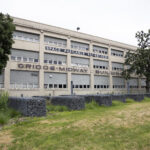
According to court documents, the four men established Brilliant Minds Services LLC in St. Paul’s Griggs-Midway Building and enrolled the company as a provider under Minnesota’s Medicaid program. Housing Stabilization Services was created to help individuals with disabilities, mental health conditions, and substance abuse issues obtain and maintain stable housing.
Federal prosecutors say the company claimed to have served roughly 350 beneficiaries and billed the program more than $2.25 million.
The problem, investigators say, is that many of those services either never happened or were significantly exaggerated.
According to the plea agreements, Brilliant Minds submitted reimbursement claims for services that were not provided while also inflating the amount of time spent on legitimate services.
To support those claims, employees allegedly created client notes documenting appointments and interactions that prosecutors say either never occurred or were embellished.
Then investigators say the cover-up became even more sophisticated.
The Department of Justice said the case highlights what it called a growing trend of fraudsters using artificial intelligence to advance healthcare fraud schemes. According to federal authorities, AI tools were used to fabricate records after insurance companies began asking questions about the submitted claims.
Assistant Attorney General Colin McDonald said the defendants exploited both vulnerable people and a vulnerable public assistance program for personal gain.
“These defendants corruptly exploited vulnerable people and a vulnerable program to enrich themselves,” McDonald said in a statement.
“Taxpayer dollars designed to provide shelter and support for the homeless and needy instead went to the pockets of these men.”
U.S. Attorney Daniel Rosen echoed that message, emphasizing the broader impact of healthcare fraud.
“Medicaid fraud is a serious offense with real consequences,” Rosen said. “These defendants stole funds intended to support vulnerable Minnesotans who rely on housing and recovery services.”
He added that the guilty pleas demonstrate federal prosecutors’ commitment to pursuing those who misuse taxpayer-funded programs.
The four guilty pleas follow a broader investigation announced in September 2025. At that time, federal prosecutors charged eight individuals in connection with alleged fraud involving the Housing Stabilization Services program. According to reporting by City Journal, six of those defendants are members of Minnesota’s Somali community.
The investigation ultimately contributed to major changes within the state program itself.
In November 2025, Minnesota’s Department of Human Services announced it would terminate the Housing Stabilization Services program after determining there were credible allegations of widespread fraud, according to MPR News.
Federal court filings describe the alleged scheme as one in which the defendants obtained millions of dollars intended to reimburse providers for helping vulnerable individuals secure stable housing. Instead, prosecutors say substantial portions of those funds were diverted through false billing and fabricated documentation.
The guilty pleas also arrive as the Trump administration intensifies its focus on Medicaid oversight. Just days before the Justice Department’s announcement, the administration said it would defer more than $1 billion in federal Medicaid payments to California and Minnesota as part of what officials described as a nationwide effort to combat fraud.