
For nearly a week, politicians, activists, and media figures in Chicago treated a burning cross in Grant Park as yet another symbol of rising extremism in America. Predictably, many of the early reactions pointed in a familiar direction. Commentators warned about racism, political leaders spoke about the dangers facing the country, and critics of President Donald Trump suggested the incident reflected a broader climate of intolerance.
Then came an unexpected development.
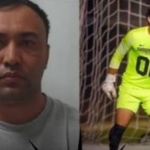
Chicago police arrested 21-year-old Merlin Lu in connection with the June 9 cross-burning incident. According to WMAQ-TV, Lu had previously acknowledged setting the cross on fire and described his actions as a protest against what he called “MAGA Christian nationalist supporters” and the Trump administration’s “ruling class.”
The revelation immediately changed the context surrounding a story that had generated days of speculation.
When the cross first appeared burning in Grant Park, reactions were swift. The Associated Press reported on the disturbance, while numerous public figures connected the event to concerns about racism and political extremism. Some residents interviewed by media outlets argued that current political rhetoric had emboldened hateful behavior.
Others drew even broader conclusions. Activists linked the incident to larger national political battles, while Illinois Governor J.B. Pritzker used remarks at a public event to warn about racism and fascism, arguing that such incidents reflected deeper problems within American society.
The arrest, however, introduced facts that did not fit the assumptions many observers had initially made.
Turns out, the “KKK burning cross” found in Chicago was made by a socialist gay Asian: pic.twitter.com/l1ClC4QSd3
— End Wokeness (@EndWokeness) June 16, 2026
According to reports, the individual accused of setting the fire was not acting on behalf of white supremacist organizations or pro-Trump groups. Instead, he allegedly viewed the act as a protest directed against those groups.
That distinction matters because the public conversation surrounding politically charged incidents often develops long before investigators establish what actually happened. Initial narratives can spread rapidly through social media, television coverage, and political commentary, sometimes becoming entrenched before evidence emerges.
The case also revived memories of previous high-profile incidents that generated enormous public attention before later facts altered the story. Over the last decade, several alleged hate-crime cases became national news, only for subsequent investigations to produce conclusions that differed significantly from early assumptions.
As the legal process moves forward, authorities will ultimately determine Lu’s responsibility and any consequences he may face. For now, the arrest serves as a reminder that early political conclusions can sometimes outrun the facts.