
New revelations surrounding the U.S. military’s second airstrike on a suspected drug smuggling boat on September 2 have triggered a heated debate in Washington — and the controversy shows no signs of cooling.
The initial strike, authorized under a broader Trump administration initiative targeting narco-terrorism at sea, disabled a fast-moving vessel allegedly bound for the U.S. with illicit cargo. Two survivors, seen climbing back onto the wreckage and appearing to communicate with other boats while handling what officials believed were salvaged drugs, became the center of a military decision that now sits under intense legal and political scrutiny.
Mark Kelly moves narrative to next stage, claims that “clearly unlawful, illegal orders” have been given.
“That was the point of our video.”
Headline provided at right for additional context on Kelly while viewing. pic.twitter.com/FABYpvITG6
— Western Lensman (@WesternLensman) December 3, 2025
According to a source familiar with the mission, the Pentagon had contingency plans in place for exactly this type of scenario. Those plans accounted for two possibilities: if survivors were clearly out of the fight — stranded, unarmed, or shipwrecked — they were to be rescued. But if they were seen engaging in potentially hostile or coordinated behavior, the rules of engagement allowed for re-engagement. It was under that doctrine that the second airstrike was ordered, resulting in the deaths of the two survivors.
That decision was made by then-JSOC commander Adm. Frank “Mitch” Bradley, who had a military legal advisor at his side throughout the operation. Defense Secretary Pete Hegseth has stood by the call, reiterating this week that Bradley operated within his directives and under the legal oversight typically required for kinetic action of this kind.
Mark Kelly needs to face a court-martial. This is ridiculous. He’s continuing to undermine our military and the chain of command.
— Paul A. Szypula 🇺🇸 (@Bubblebathgirl) December 3, 2025
Still, lawmakers — particularly on the Democratic side — are raising red flags. Some now argue that the second strike may have breached international maritime law or even constituted a war crime, citing protections for shipwrecked individuals and combatants no longer deemed threats. Senator Mark Kelly has voiced some of the most pointed concerns, sparking accusations from critics that his motivations are more political than legal.
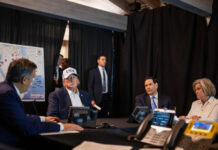
Amid the uproar, SOCOM is preparing to brief key congressional leaders in a classified session. Video surveillance of the incident, including the controversial second strike, is expected to be shown. President Trump has publicly supported the release of any footage, signaling that his administration has nothing to hide.
Anyone can see that he is now being pushed heavily by the large money donors of the Democrats & establishment media. This is his Adam Schiff “Russia, Russia, Russia” moment.
I’m sure he’s going to play the victim of Trump for the next two years.
— Eric Pistey (@shawnpisteySC) December 3, 2025
The military has carried out 21 similar strikes in recent months, with 83 fatalities reported. In contrast to the Sept. 2 operation, subsequent engagements — including incidents on October 16 and 27 — saw survivors rescued when deemed non-hostile. The strict framework in place, rehearsed before the Sept. 2 mission, suggests there was forethought and legal planning. Whether that holds up under legal scrutiny or political pressure remains to be seen.